
Cimbian UK - For your business
Cimbian UK Ltd. has a wealth of cable preparation and testing experience available for your business to benefit from… Just ask!
Helping UK cable assembly producers increase efficiency since 2003
Since 2003 Cimbian UK has been bringing assembly and cable testing tools and technology, along with support and know-how, to UK businesses.
We find the very best solutions; invest in training and support to deliver to the UK as a full-services provider.
Cable Assembly Solutions
Cable preparation such as braid processing, wire twisting, cut/strip, crimping, etc.
Guided Cable Assembly
Voice and light-guided assembly of connectors to cables. First and second sided pinning
Cable Test Solutions
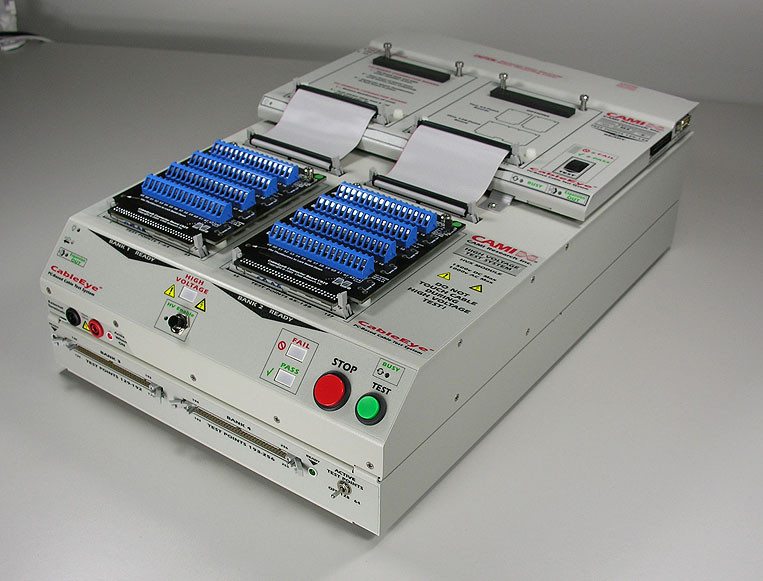
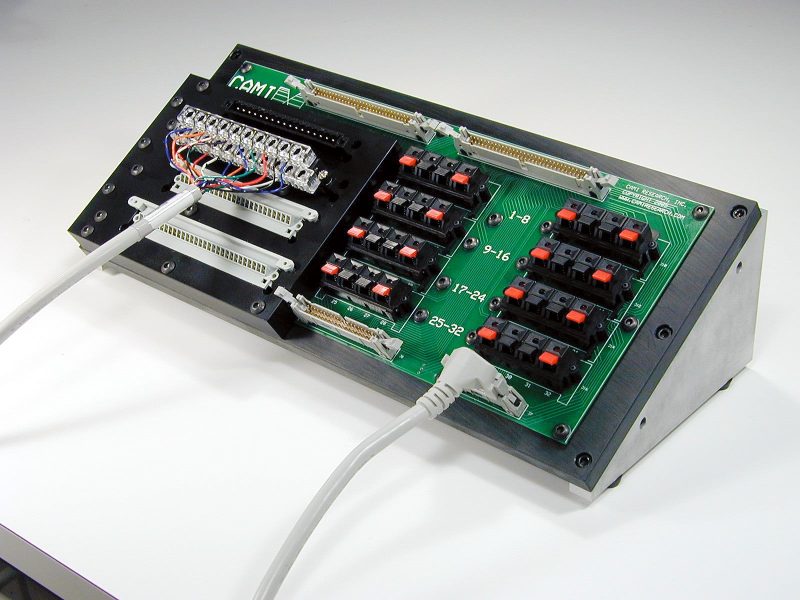
High-speed cable test with self-learn, datalogging, and reporting. Also with HiPot.
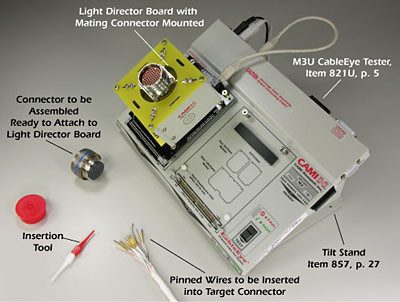
Guided Cable Assembly


The Right Choice
10 Good Reasons to Choose Cimbian UK
- Experience: Knowledge within Cimbian UK has been accumulated over more than 35 years of providing solutions and support to technical organisations around the World.
- Flexibility: Being a small, people-based company means that Cimbian can adapt to the changing needs of our customers, often quicker than the needs themselves.
- Connected: Cimbian is based upon the strong links forged around the world over many decades, links that often provide connections to solutions just waiting for a problem.
- Independent: Cimbian is not a manufacturer and is, therefore, able to offer the right solution to suit the task in hand, rather than manipulate the task to suit a solution.
- Supported: Your need for support is well understood, and this requirement for the right level of support in the time-frame you need is underwritten by all of Cimbian’s partners.
- Enthusiastic: Matching solutions to problems is what we do, and because we know there is a solution to a problem we are always keen to make the match and apply our skills.
- Versatile: Software; hardware; mechanical; service; design; manufacturing. All of these skills and services, and more, are available from Cimbian and our partners. Tell us what you need and we probably already have a solution route to hand.
- Capable: Cimbian personnel have been delivering partner-based solution for a many years, and this exposure to problem-solving means we have seen much of what is come and from most quarters, whether political, economical, social or technological. Most of today’s challenges are variants of challenges long-since overcome.
- Honest: Cimbian is based upon partnership, in fact, the name is derived from Symbiosis – the ultimate partnership. Partnerships where long-term mutual gain is the objective, and without trust, honesty, and integrity this gain cannot thrive. We will never knowingly out-step a partner, whether a supplier or a customer.
- Innovative: When asked what key quality Cimbian personnel had brought to bear in solution finding the answer given is normally “innovation”. The ability to adapt existing processes and technologies to create a whole new application.

Stephen Hooper
Director
Who is behind Cimbian UK?
Starting in the electronics industry in 1987, Steve Hooper built a career founded on technical precision and global engineering partnerships. After serving as Sales Director at Wayne Kerr ATE, Steve founded Cimbian UK in 2003 to provide the UK and Irish markets with authorised access to world-class CableEye® testing systems and industrial cable preparation machinery.
Steve is a fan of all forms of motorsport and enjoys woodworking and walking his dog, Joe.
If you found this page interesting please share it with your friends and colleagues.